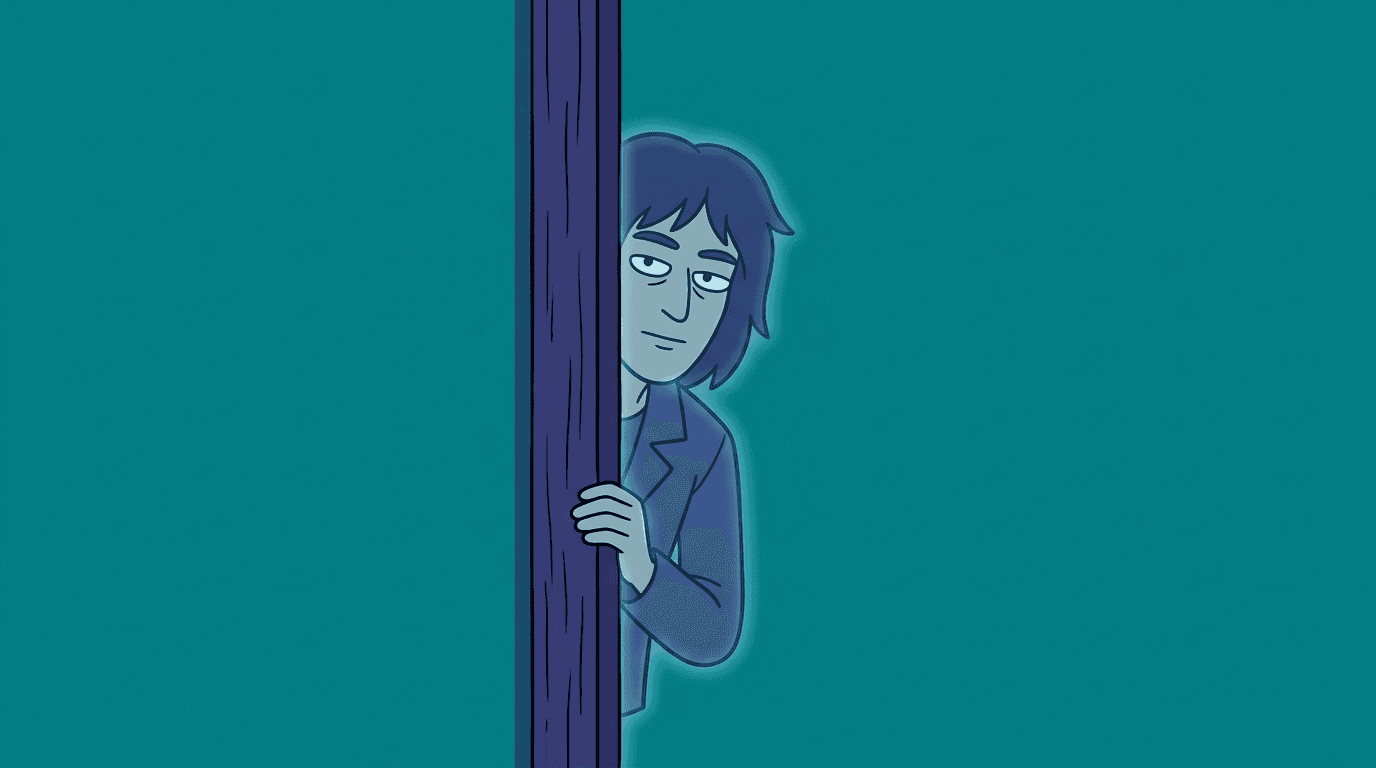
Let's address the elephant in the room — or rather, the person who should be in the room but probably isn't. You are the friend who exists in a quantum state: simultaneously part of the group and completely absent from it. You're tagged in photos you weren't present for. You're mentioned in stories you don't remember. People say "wait, were you there?" and genuinely cannot determine the answer.
This isn't social anxiety (though it might be, and that's valid). This is something weirder and more specific — you are someone who maintains deep connections through aggressive absence. You vanish for three weeks and return like nothing happened. You miss seven consecutive hangouts and show up to the eighth with the energy of someone who's been there the whole time. And somehow, inexplicably, it works.
Psychology has a few frameworks for this. Attachment theory might call it avoidant attachment — the tendency to maintain emotional distance while still valuing connection. Introversion research suggests that some people's social battery isn't just smaller; it's wired differently, recharging through solitude in ways that extroverts genuinely cannot comprehend. You're not antisocial. You're selectively social with an extremely aggressive filter.
Here's what makes The Phantom secretly powerful — when you DO show up, it means something. Your presence is an event because your absence is the default. When you text back, people notice. When you come to the thing, people light up. You've accidentally created a personal brand built on scarcity, and honestly, the marketing girlies could never.
But there's a cost to being the phantom, and you know it even if you don't talk about it. You miss things. Not just events — moments. Inside jokes that you'll never fully get. The slow accumulation of intimacy that comes from being consistently present. You hear references to "that night" and smile along, but there's a small part of you that knows you chose to stay home, and staying home felt right in the moment, and also you kind of wish you'd gone.
The group keeps you because you bring something nobody else can — perspective. While they're all tangled up in each other's drama, you float above it with the clarity of someone who wasn't there for Act 1. Your observations hit different because they're uncontaminated by the daily noise. When you speak, people listen, because you don't speak often enough for anyone to take it for granted.
The growth edge for The Phantom is understanding the difference between needing space and using space as a shield. Solitude is healthy. Disappearing because intimacy feels like too much work is a pattern worth examining. You don't have to become The Glue or The Wildcard — nobody's asking you to be someone you're not. But showing up ten percent more? That might change everything without costing you much.
Your best dynamic? The Wildcard, surprisingly. They never guilt-trip you for disappearing, and when you do show up, they make sure the episode is worth your rare appearance. The Glue worries about you constantly — which is annoying but also the reason you still feel connected when you vanish. The Narrator has a whole file on you and finds your mystique either fascinating or personally offensive, depending on the day.
If you're actually reading this far — and statistically, The Phantom might have skimmed — screenshot this and send it to the one friend who always drags you out of the house. Ask them what your group's sitcom title would be. You might even respond within 24 hours.